
How Far Is Cornwall From London? Distance, Trains & Tours
Cornwall is roughly 230 to 300 miles from London depending on where you’re headed, and the journey takes around four to six hours by train or road. There are two lovely ways to make it: the train, with a window seat and a glass of wine, or a private transfer with a stop at Stonehenge. Either way, your Kernara guide is waiting at the other end.
Train from London to Cornwall (first class on the Great Western Railway)
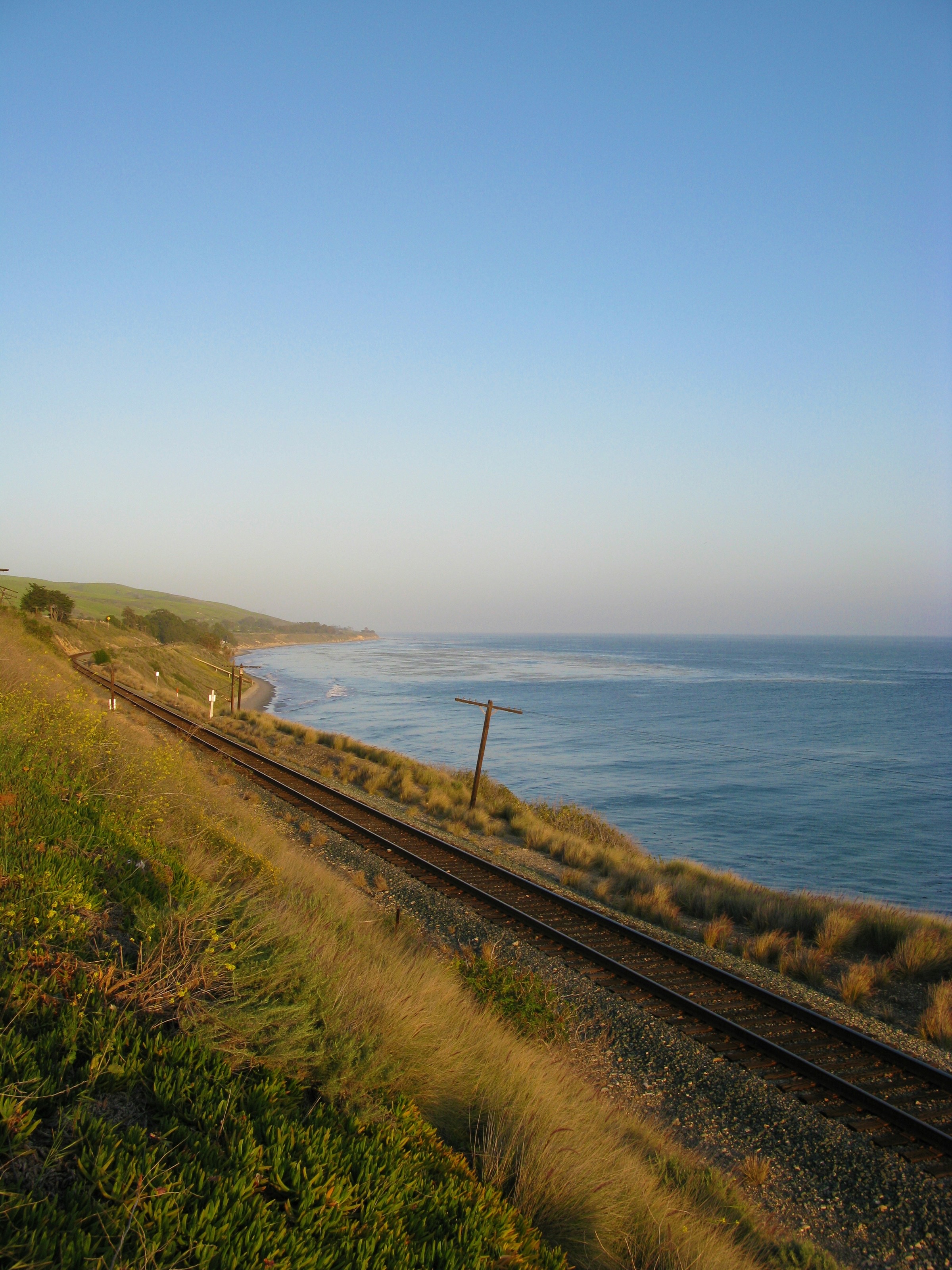
The train from London to Cornwall departs from London Paddington and is run by Great Western Railway (GWR). Direct services reach Truro in around four and a half hours and Penzance in about five to five and a half. In first class it is arguably the loveliest way to arrive: the grey of the suburbs gives way to fields, then the sea, then the Royal Albert Bridge carrying you over the Tamar and into Cornwall.
Most of our guests take the train, and there’s a reason for that — the journey itself is part of the trip.
The Great Western Railway runs from London Paddington to Penzance, and in first class the seats are wide, the carriage is quiet and the meal service begins somewhere around Reading. You settle in with a coffee, and then the landscape starts to change. London’s grey suburbs give way to the green of Berkshire. By Somerset the hills are rolling. Through Devon the valleys deepen, the rivers widen and the fields slope toward the coast.
Then you cross the Tamar.
The Royal Albert Bridge — Brunel’s 1859 masterpiece — carries you from Devon into Cornwall, high above the water, and something shifts. The light is different. The sky is wider. The hedgerows are wilder. You are, unmistakably, somewhere else.
First class includes a full meal service — hot food, cold food, tea, coffee, wine, beer. The seats have tables, power outlets and enough legroom to stretch out and watch the countryside pass. The journey takes four to five hours, which is exactly long enough to read a chapter, eat lunch and arrive feeling like the holiday has already started.
Your guide meets you at the station. No taxis, no rental cars, no navigating unfamiliar roundabouts on the wrong side of the road. You step off the train and the week begins. Once you have arrived, there is no shortage of things to do in Cornwall.
Private transfer via Stonehenge
If you’d rather travel by road — or if Stonehenge is on your list — a private transfer from London takes you west through Wiltshire, where a detour of an hour puts you face to face with the most famous stone circle on earth.
Stonehenge sits roughly on the route to Cornwall if you take the A303, and a stop of a couple of hours gives you time to walk among the outer stones, visit the exhibition centre and stand in a field in Wiltshire wondering how anyone moved 25-tonne sarsen stones from 25 miles away without a wheel. It is worth the stop. The scale of the thing is impossible to grasp from photographs.
From Stonehenge, the road continues west through the rolling farmland of Devon and into Cornwall. The drive is longer than the train — five to six hours including the stop — but the flexibility is its own reward. Your own vehicle, your own schedule, a chance to see the English countryside unfold at road level.
Cornwall tours from London
If you would rather not plan the logistics at all, let us. Our multi-day Cornwall tours are designed for guests travelling from London and beyond: arrive by rail or private transfer and your guide meets you to begin a curated journey through Cornwall, with hotels, routes and transfers all arranged. Many guests pair a few days in London with a Kernara week in Cornwall, so tell us your plans when you enquire.
Before you travel
US and Canadian visitors need an Electronic Travel Authorisation (ETA) to enter the UK. Apply online before you travel — it’s straightforward, but don’t leave it to the last minute.
However you arrive, the first thing you’ll notice is the air. Salt and gorse and something green and ancient that doesn’t have a name. Your guide will be there. Your bags will be taken care of. And the walk — the real reason you came — starts tomorrow.
The journey is the first chapter. Cornwall writes the rest.
Topics